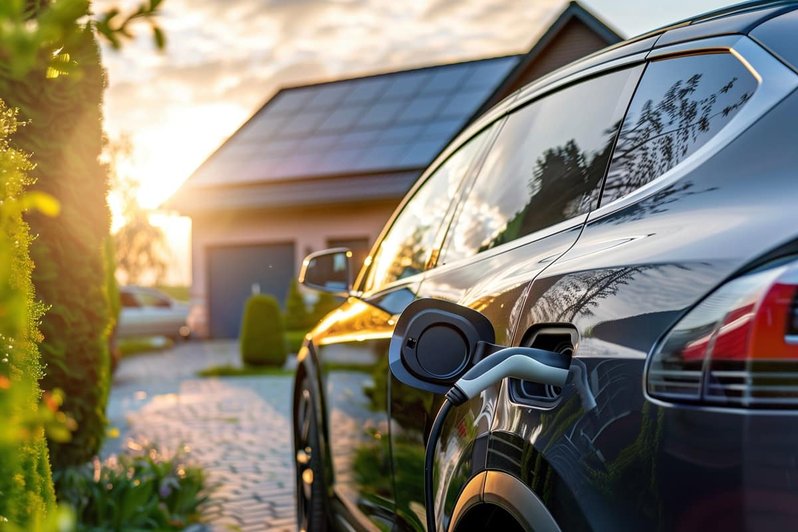
Batteries on wheels: Why V2G uptake could be the next big opportunity for networks
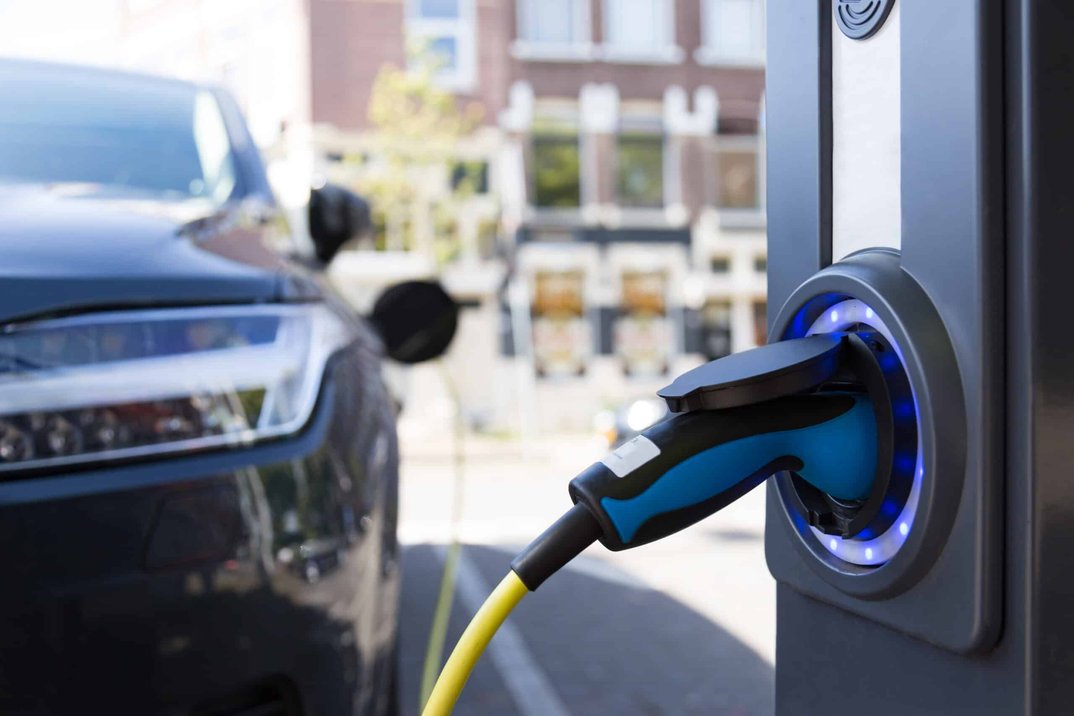
As EV adoption accelerates across Australia, so does the emergence of Vehicle-to-Grid (V2G), where EVs turn into mobile energy storage units.
With Australian Renewable Energy Agency (ARENA) forecasts pointing to 300,000 bi-directional V2G EVs by 2030, these “batteries on wheels” could collectively discharge around 2,200 MW back to the grid — that’s equivalent to two large coal-fired power units flooding the grid during peak times.
But here’s the challenge: V2G doesn’t behave like traditional EV charging or household batteries. It makes the load profile unpredictable, creating evening export peaks and overnight demand surges. Without substation or feeder-level visibility, DNSPs risk being caught off guard.
Some key findings:
Thermal constraints can emerge with as little as 9.3% EV penetration
V2G discharging patterns do not follow typical load profiles, making existing planning models outdated
Real-time monitoring and hosting capacity modelling are essential for preparing the grid
The upside? With the right data, tools and investment, DNSPs can:
Anticipate V2G demand
Manage capacity constraints
Gain visibility into smarter tariff structures
Leverage non-network solutions like demand response
V2G is a huge opportunity. It can be a valuable asset for managing network stability, reducing peak demand, and supporting Australia’s clean energy transition.
Read the full article by Dr Yogendra Vashishtha, Head of Future Networks at EA Technology Australia: